Investigation services
Sick Building Syndrome Testing
Independent, investigative testing that links measured indoor air quality to the symptoms your occupants are actually reporting — and pinpoints the engineering cause behind them.
What we test for
Sick building syndrome testing is more than indoor air quality testing
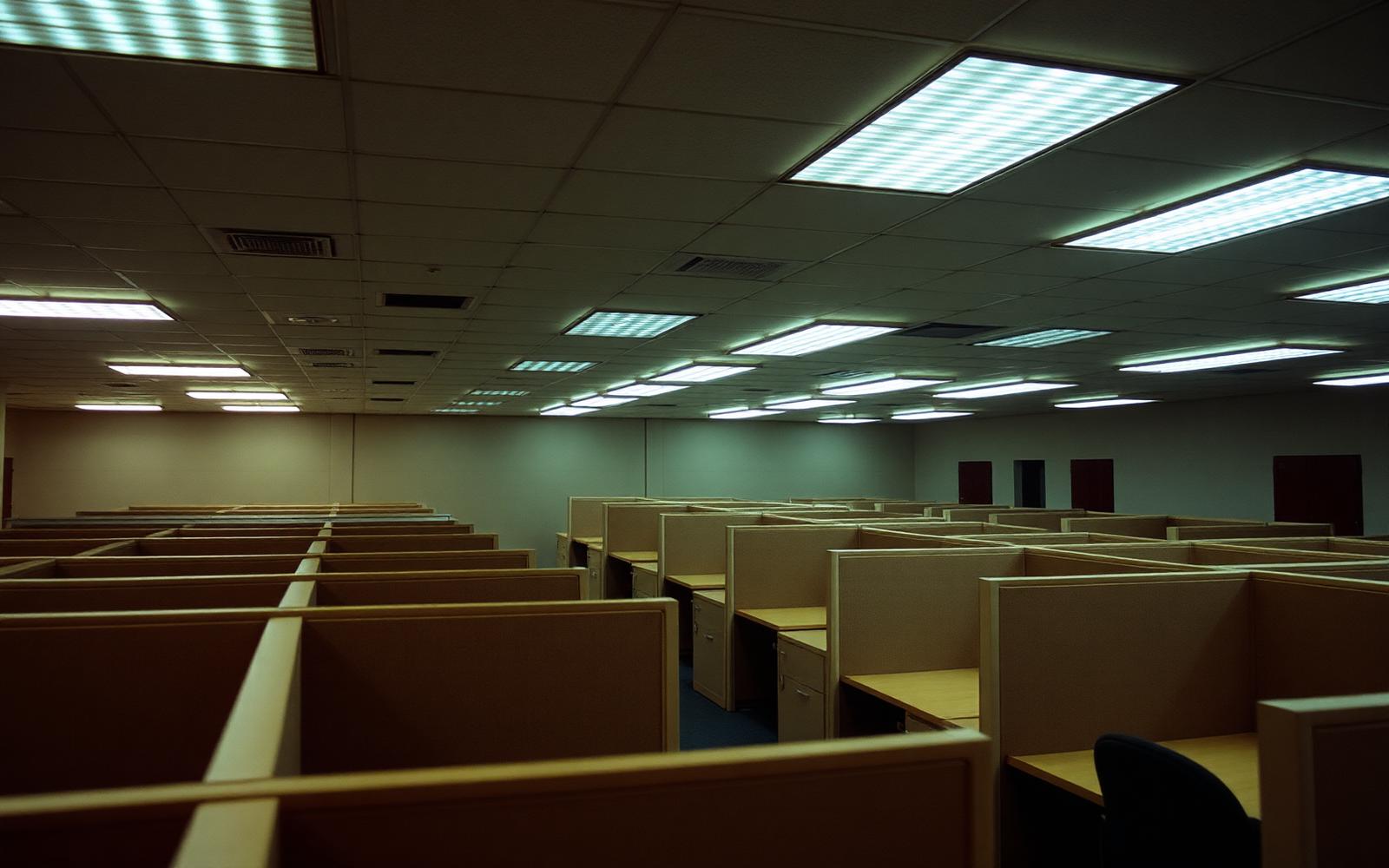
Sick building syndrome testing is the structured process of identifying why occupants of a particular building are experiencing the recognisable SBS symptom cluster — headaches, eye and throat irritation, fatigue, difficulty concentrating, dry skin — and which engineering or operational factors are responsible. Where a basic indoor air quality test answers "is the air bad?", an SBS investigation answers "why are people in this building unwell, and what will fix it?".
Our standard workplace test programme captures every parameter that the published evidence base links to SBS symptoms. We continuously measure CO₂, PM2.5 and PM10, total VOCs, temperature and relative humidity at occupant breathing-zone height for a minimum of one working week. Formaldehyde and speciated VOCs are quantified by sorbent-tube sampling and gas chromatography. Where the walk-through points to a microbial issue we add bioaerosol and surface sampling for moulds and bacteria.
The aim is always pattern recognition. We are not chasing a single peak reading — we are looking for the correlation between ventilation regime, occupancy schedule and the times of day when occupants report symptoms. That correlation is what makes the difference between an indoor air quality report and a defensible SBS investigation report.
Methodology
Our four-stage investigation pathway
- 1
Stage 01
Pre-investigation briefing
Telephone scoping with FM, HR and occupational health. Review of building age, refurbishment history, complaint log and any prior testing. We agree the affected and control zones, occupancy pattern and survey period.
- 2
Stage 02
Occupant symptom survey
Anonymous online questionnaire issued to all occupants of affected and control zones. Standardised on the HSE Stress Indicator Tool and WHO SBS criteria, with desk-level location mapping so symptom clusters can be plotted against the building footprint.
- 3
Stage 03
Walk-through and continuous IAQ testing
Visual audit of HVAC plant, supply terminals, finishes, water damage and pollutant sources. Deployment of research-grade continuous monitors for CO₂, PM, VOC, temperature and RH alongside passive and active sorbent sampling for formaldehyde and speciated VOCs.
- 4
Stage 04
Reporting and remediation plan
Written report cross-referencing each measurement against BS EN 16798-1, CIBSE TM40, WHO Indoor Air Quality Guidelines and the WELL Building Standard. Ranked remediation options, indicative costs, and a verification re-test specification.
Why testing matters
Office air quality testing that stands up in HR, insurance and HSE correspondence
Once symptom reports reach a written grievance or an HSE notification, anecdote stops being enough. Employers need an evidence base that names the parameters tested, the standards applied, the period of measurement and the calibration provenance of the instruments used. Our reports are written to exactly that standard.
Every monitor is calibrated annually against traceable reference gases and particulate sources. Sorbent tubes are analysed by UKAS-accredited laboratories. Every conclusion in the report cites the measurement, the time of measurement and the relevant guideline value. The result is a document that closes the conversation rather than starting another one.
Where we can demonstrate that the building is compliant with BS EN 16798-1 Category II and that occupant complaints are not explained by the measured environment, we say so plainly. Independence is the only thing that makes an SBS testing report useful.
FAQ
Sick building syndrome testing — common questions
Suspect SBS in your workplace?
Request an independent investigation. Most fieldwork can be scheduled within 10 working days.
Request an investigationInvestigate