Health publication
Sick Building Syndrome
A cluster of acute symptoms experienced by occupants of a building that improve when they leave. Recognising, diagnosing and remediating SBS is one of the most impactful interventions in occupational health.
Definition
What sick building syndrome actually describes
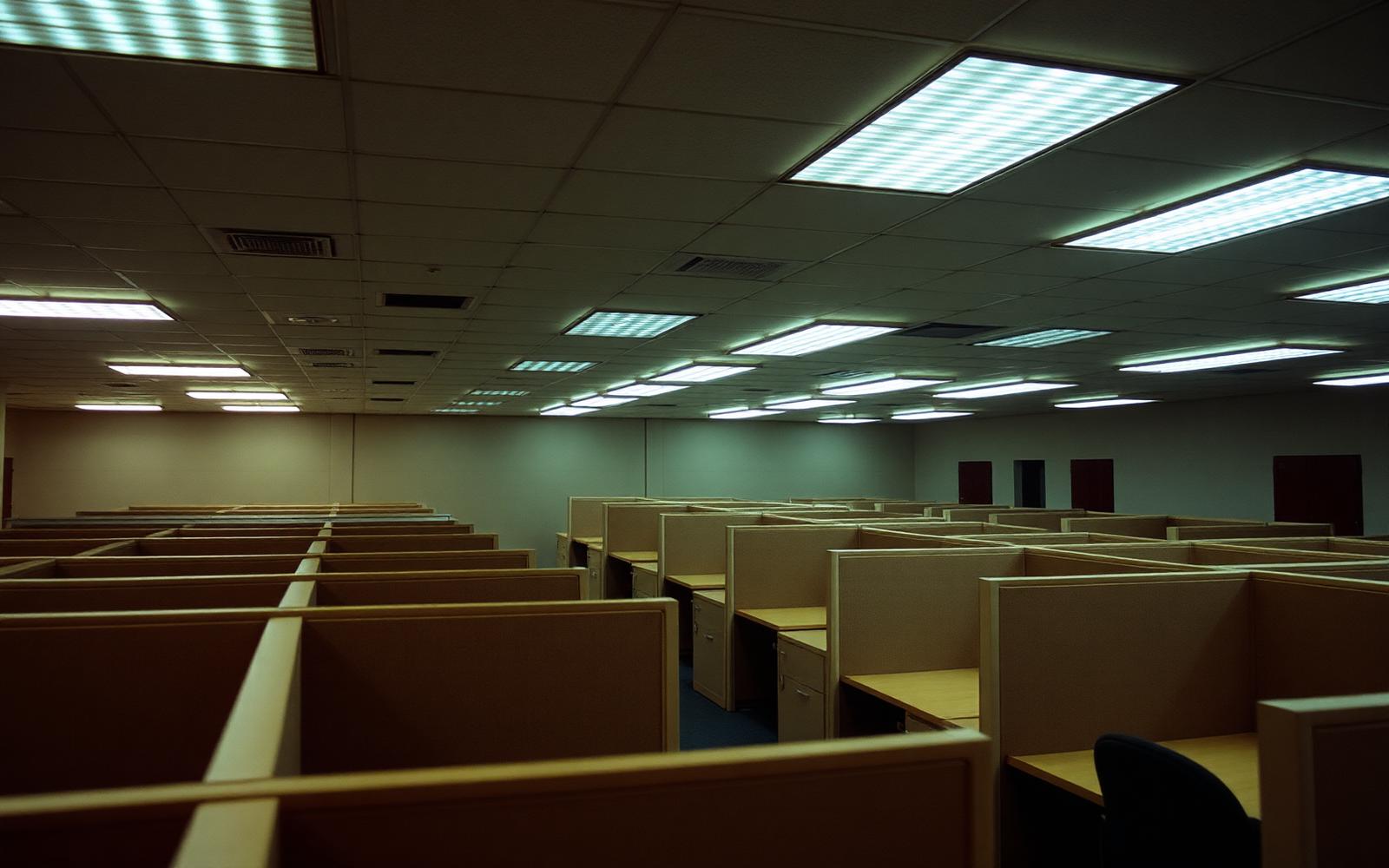
Sick building syndrome describes a recognisable cluster of acute symptoms — headache, fatigue, eye and throat irritation, difficulty concentrating, dry skin — that appears in a significant proportion of occupants of a particular building and resolves when those occupants leave. It is an environmental health phenomenon rather than a medical diagnosis. The symptoms are real and reproducible; the mechanism is the building, not the individual.
The WHO formalised the concept in 1983, setting a threshold of 20% or more of occupants reporting two or more relevant symptoms that resolve on leaving. That threshold remains the working trigger for a formal investigation today.
SBS sits at the intersection of building services, occupational health and HR. Left unaddressed it produces persistent absenteeism, declining engagement, and — increasingly — formal grievance processes. Addressed early, it usually traces to a small number of correctable engineering causes.
Recognising SBS
Six symptom clusters to watch
If two or more of these symptoms appear in a significant share of occupants, and resolve when leaving the building, SBS should be investigated.
Cognitive
Difficulty concentrating, mental fatigue, brain fog.
- ·Drop in productivity
- ·Headaches by mid-afternoon
Sensory irritation
Dry, itchy or burning eyes; throat irritation.
- ·Often worse near printers
- ·Improves outdoors
Respiratory
Coughing, congestion, asthma exacerbation.
- ·Linked to filter quality
- ·Worse in winter
Allergic-like
Skin rash, sinus pressure, sneezing.
- ·Often dust and humidity related
- ·May indicate mould
General malaise
Drowsiness, nausea, lethargy without cause.
- ·Common with high CO₂
- ·Resolves on leaving
Cluster signal
Over 20% of occupants report two or more symptoms.
- ·Triggers formal investigation
- ·Map by zone
A building is considered 'sick' when more than 20% of its occupants experience symptoms that resolve on leaving, with no specific medical diagnosis identified.

Causes
Why buildings make people sick
SBS rarely traces to a single agent. It emerges from compounding stressors: under-ventilation, elevated CO₂ and VOCs, dry or damp air, dusty HVAC systems, irritating lighting and acoustic load. Each contributor is below the threshold that would trigger an individual complaint; together, they produce the symptom cluster.
The historical preconditions are well documented. Sealed buildings constructed in the 1980s and 1990s with fixed-rate mechanical ventilation, internal finishes that off-gas formaldehyde and other VOCs, and HVAC maintenance regimes that lapsed within the first decade of life. The modern equivalent is an airtight building with under-sized ventilation, where the engineering response to one problem (heat loss) has created another (poor dilution of indoor sources).
Occupant density has become the new amplifier. Hot-desking and hybrid working compress occupancy into two or three days a week, on which the original ventilation design is asked to do more than it was sized for. The pattern of complaints — quiet Mondays and Fridays, symptomatic Tuesdays through Thursdays — is now a recognisable diagnostic signal.
Engineering causes
The five recurring root causes
Under-ventilation is the most common single cause. Where outdoor air supply falls below 10 l/s/person, CO₂ climbs through the day, bioeffluents accumulate, and the perception of stale air becomes universal.
Contaminated AHUs — dirty cooling coils, biofilm in drip trays, dust in supply ducts — push microbial and particulate exposure into the supply air itself. The signature is symptoms that worsen when the AHU runs, not when it stops.
Material off-gassing from recent refurbishment produces a formaldehyde and VOC peak that takes weeks to months to decay. Symptom onset that maps to a fit-out date is the strongest single indicator.
Humidity extremes below 30% or above 60% RH drive sensory irritation directly and amplify other contaminants. Low humidity is the dominant pattern in heated UK offices in winter.
Source proximity — printer banks, kitchenettes, photocopier rooms vented into the open-plan area — concentrates exposure for nearby desks without affecting the building average. Symptom mapping by desk location reveals it quickly.
Diagnostic pathway
How specialists investigate SBS
- 1
Stage 01
Occupant survey
Standardised symptom questionnaires across affected and unaffected zones to establish prevalence and rule out clustering by team rather than location.
- 2
Stage 02
Walk-through audit
Visual inspection of HVAC plant, supply terminals, finishes, water damage, refurbishment history and pollutant sources. Often identifies the root cause before measurement begins.
- 3
Stage 03
IAQ measurement
Multi-day continuous monitoring of CO₂, PM2.5, VOCs, humidity, formaldehyde and temperature in the affected zone. Sorbent-tube sampling for laboratory speciation where TVOC is elevated.
- 4
Stage 04
Targeted remediation
Ventilation increase, source removal, AHU clean, filter upgrade and material substitution — sequenced by impact and cost. Verification re-measurement closes the investigation.

Remediation
What actually fixes SBS
Most SBS cases resolve once two or three of the underlying causes are addressed. Bringing outdoor air supply up to BS EN 16798-1 Category II is the single intervention with the largest effect. AHU cleaning and filter upgrade to ISO ePM1 50% follows. Source removal — venting printer banks, switching cleaning chemistry, replacing a recently installed material — closes the gap.
The pattern of recovery is consistent. CO₂ and symptom reports respond within days. VOC levels fall over weeks as the material reservoir is depleted. Mould-related cases require the moisture source to be eliminated before any IAQ improvement is measurable.
What does not work: standalone air purifiers used as a substitute for ventilation; aromatherapy and odour-masking products that add to the VOC load; cosmetic responses such as repainting that introduce fresh emissions. SBS is engineering theatre's most reliable trap.
FAQ
Common questions about SBS
Suspect SBS in your building?
Independent IAQ investigation is the fastest path from suspicion to evidence-led remediation.
Request an investigationWorkplace