Recognising SBS
Signs of Sick Building Syndrome
Building sickness symptoms are real, reproducible and — crucially — patterned. Recognising the pattern early shortens the path from complaint to resolution.
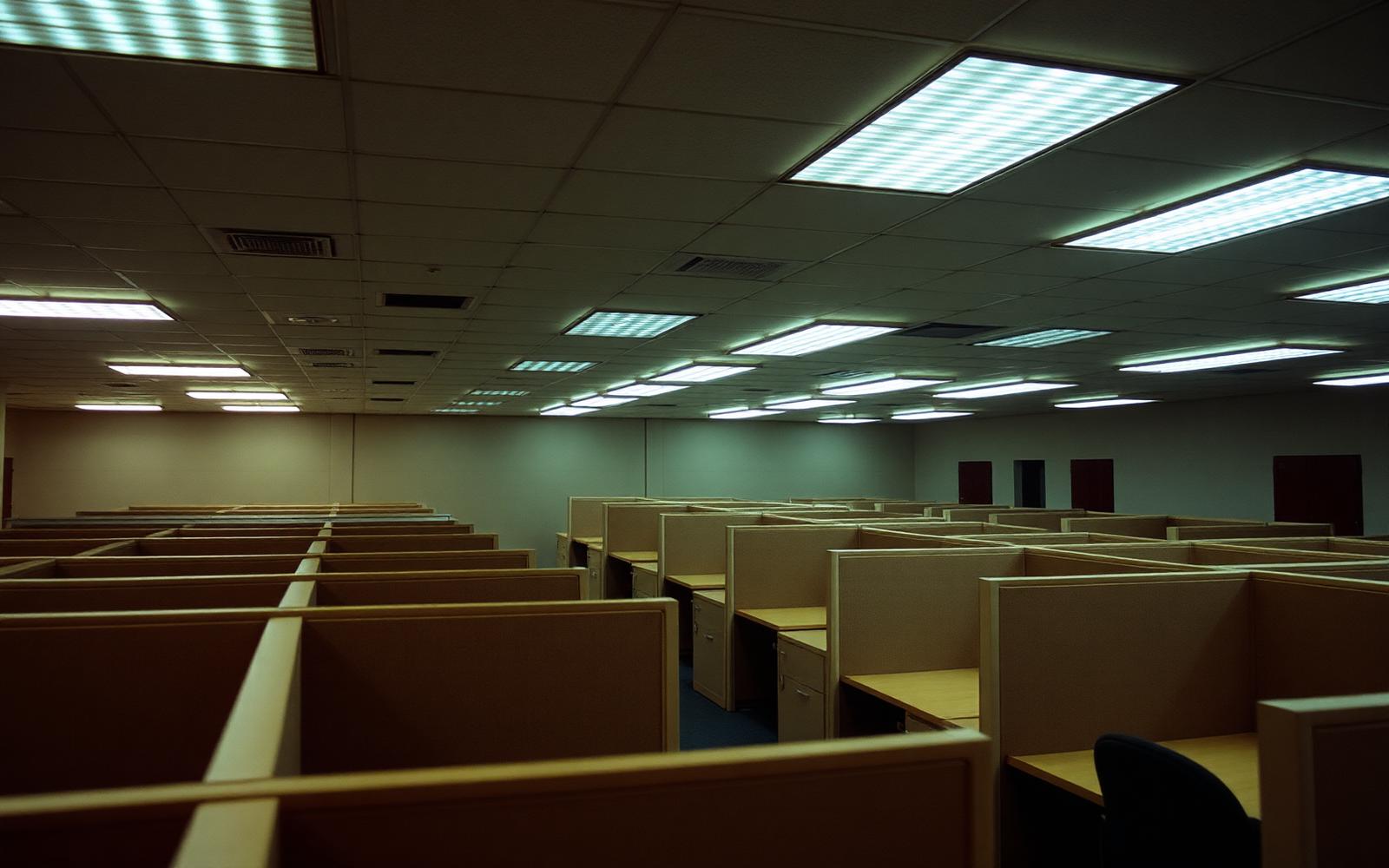
The pattern
What sets SBS apart from any other workplace complaint
The signs of sick building syndrome are individually unremarkable — headache, dry eyes, blocked nose, fatigue, difficulty concentrating. Taken alone, any of them could be a cold, a poor night's sleep or a stressful week. What makes them a diagnostic signal is the pattern they form together.
Three pattern markers separate building sickness symptoms from everything else. First, prevalence: a meaningful share of the workforce in one zone reports the same cluster of symptoms in the same week. Second, time-of-day: symptoms typically build through the working day and ease in the evening. Third — and most diagnostic — symptoms resolve when occupants leave the building. A colleague who works from home on Monday reports none of the symptoms; on Tuesday in the office, all of them return.
If your workforce is describing this pattern, you are not chasing a virus and you are not chasing morale. You are looking at a building.
Symptom clusters
The four families of building sickness symptoms
Cognitive symptoms
Difficulty concentrating, brain fog, mental fatigue, slower decision-making, more visible by mid-afternoon.
Sensory irritation
Dry, itchy or burning eyes, throat irritation, blocked or runny nose without any obvious infection.
Respiratory complaints
Persistent cough, chest tightness, exacerbation of mild asthma, particularly close to printers or in poorly ventilated rooms.
Skin and constitutional
Dry or itchy skin, headaches, fatigue and a general low-grade malaise that lifts in the evening or at weekends.

Stale office air
Why stale office air is the earliest warning
Before the headaches and the eye irritation arrive, the workforce notices the air. The lift lobby feels heavy by lunchtime. The meeting room is unbearable after the third occupant joins. A new starter remarks on the smell on their first morning and stops noticing it after a week. Stale office air is the leading indicator of every SBS investigation we have ever run.
Stale air is, almost always, CO₂ above 1,000 ppm and outdoor air supply below 8 l/s per person. It is the first parameter we measure, and the first that responds to remediation. A workplace that complains of stale air is a workplace that is telling you precisely where to look first.
FAQ
Signs of SBS — common questions
Seeing these signs in your workplace?
An independent investigation establishes whether the pattern meets the WHO threshold — and what to do about it.
Request an investigationInvestigate
Talk to us