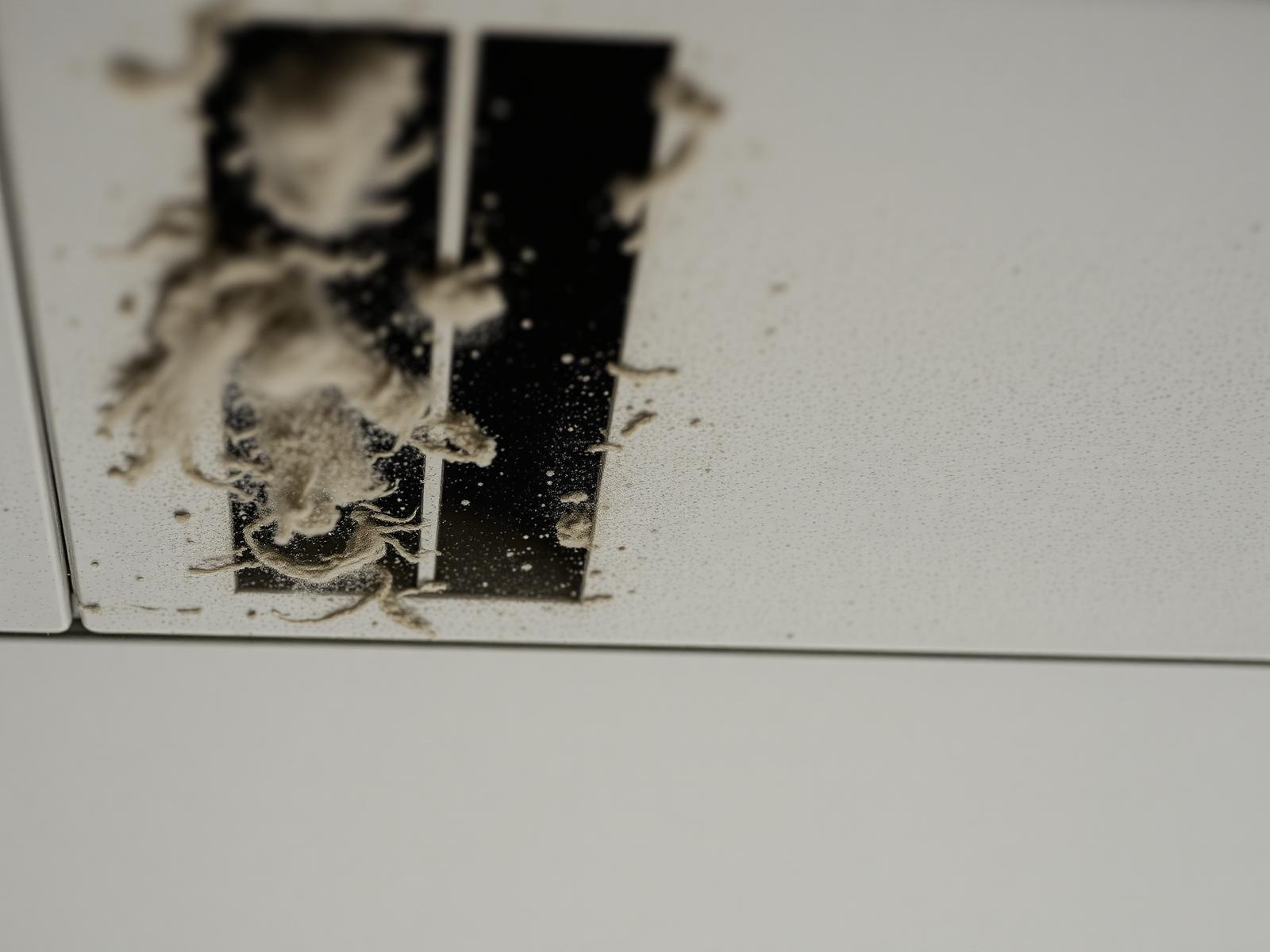
Any kitchen extract canopy serving cooking equipment that generates aerosolised oil or grease: restaurants, hotels, pubs, hospital catering, school kitchens, prisons, care homes, contract caterers. From the canopy filter face all the way to the discharge point on the roof — the whole flue is in scope.
01
Where TR19 Grease applies
02
Cleaning frequency by hours of use
| Cooking hours per day | Minimum clean interval | Examples |
|---|---|---|
| 12–16 hrs (heavy) | 3 months | Hotels, 24-hr canteens, contract catering |
| 6–12 hrs (moderate) | 6 months | Restaurants, pubs, casual dining |
| 2–6 hrs (light) | 12 months | Office canteens, school kitchens |
03
Post-clean verification (the bit insurers check)
TR19 Grease requires deposit thickness measurement at access points along the duct. The Vimpex Wet Film Comb is the standard tool. Targets are typically < 200 microns post-clean, with photographic evidence at each access point and an Air Hygiene certificate listing every measurement. No verification, no compliance.
04
Access panels — the most common failure point
If the contractor cannot reach a section of duct, it cannot be cleaned, and the certificate must record it as "inaccessible". TR19 requires access panels at maximum 3 m intervals on straight runs and at every change of direction. Buildings constructed before TR19 commonly fail this — adding panels is usually the first remediation step.
05
What happens when it goes wrong
Insurers reject grease-fire claims where TR19 compliance cannot be evidenced — a single uncleaned canopy has caused total-loss kitchen fires in high-profile UK hotels. EHOs can serve improvement notices. Fire and Rescue can prohibit the use of the kitchen pending remediation.
06
Frequently asked questions
Is TR19 Grease a legal requirement?
It is not a statute, but compliance with TR19 Grease is the recognised method of meeting the duties imposed by the Regulatory Reform (Fire Safety) Order 2005 and the Workplace (Health, Safety and Welfare) Regulations 1992. Most commercial property insurers require TR19 compliance and will refuse claims arising from grease-fed fires where it is absent.
How often does a kitchen extract need cleaning under TR19?
Frequency depends on hours of use: heavy use (12–16 hrs/day) every 3 months; moderate use (6–12 hrs/day) every 6 months; light use (under 6 hrs/day) every 12 months. The clean is verified by a post-clean grease deposit thickness test.
Who can clean to TR19 standard?
A BESA Vent Hygiene Elite member or equivalent accredited contractor. The contractor issues a post-clean verification report including deposit thickness readings and photographs at each access point.
What is the difference between TR19 and TR19 Grease?
TR19 (2024 revision) is the parent BESA guide covering general ventilation hygiene. TR19 Grease (2019) is the dedicated specification for kitchen extract — it has stricter cleanliness targets and explicit grease deposit thickness limits.